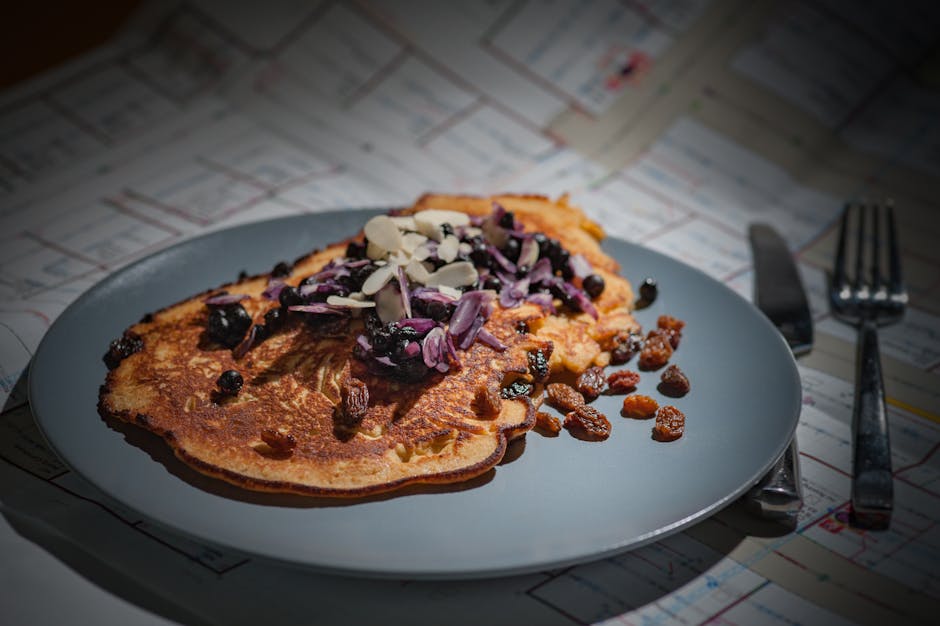
Gluten-Free Baking Recipes: Sweet Treats Without the Gluten
For those navigating the world of gluten-free living, whether due to Celiac disease, gluten sensitivity, or simply a dietary preference, the prospect of baking delicious treats can seem daunting. The good news is, with the right understanding of gluten-free flours and a collection of reliable recipes, you can indulge in delectable sweets without sacrificing taste or texture. This guide provides a selection of proven gluten-free baking recipes, each meticulously crafted to deliver outstanding results, along with helpful tips and tricks to ensure baking success.
Understanding Gluten-Free Flours: The Foundation of Success
The key to successful gluten-free baking lies in understanding the unique properties of various gluten-free flours and how they interact. Gluten, a protein found in wheat, barley, and rye, provides structure, elasticity, and chewiness to baked goods. Without it, a substitute is needed to replicate these qualities. Single-ingredient gluten-free flours often lack the characteristics needed for baking independently, making flour blends a necessity.
- Almond Flour: Made from blanched almonds, almond flour provides a slightly nutty flavor and a moist crumb. It’s high in protein and healthy fats but can be dense if not used carefully. Best suited for cakes, cookies, and muffins.
- Rice Flour: Available in white and brown varieties, rice flour is a common base for gluten-free flour blends. White rice flour has a neutral flavor but can be starchy. Brown rice flour has a slightly nuttier flavor and provides more fiber.
- Tapioca Flour (Tapioca Starch): Adds chewiness and lightness to baked goods. It’s often used in combination with other flours to improve texture. Can become gummy if used in excess.
- Potato Starch: Similar to tapioca starch, potato starch provides a light and airy texture. It’s important to distinguish it from potato flour, which has a stronger potato flavor and a denser texture.
- Sorghum Flour: A light-colored flour with a mild, slightly sweet flavor. Works well in combination with other flours and can add a slightly tangy flavour, making it versatile in both sweet and savoury recipes.
- Oat Flour: Use certified gluten-free oat flour. It provides a slightly nutty flavour and a soft texture. Best suited for cookies, muffins, and pancakes. Can add moisture.
- Buckwheat Flour: Despite its name, buckwheat is not related to wheat. It has a distinct earthy flavor and works well in pancakes, waffles, and rustic cakes.
- Gluten-Free Flour Blends: Convenient and often formulated for specific purposes (e.g., all-purpose, cake flour). Ensure the blend contains xanthan gum or guar gum, which act as gluten substitutes. Brands like Bob’s Red Mill Gluten-Free 1-to-1 Baking Flour and King Arthur Measure for Measure Gluten-Free Flour are popular choices.
The Importance of Binders: Xanthan Gum & Guar Gum
Xanthan gum and guar gum are essential ingredients in many gluten-free recipes. These gums act as binders, providing the structure and elasticity that gluten would normally provide. Xanthan gum is typically preferred for baked goods that require a chewier texture, while guar gum works well in recipes where a softer texture is desired. Generally, use 1/2 teaspoon of xanthan gum per cup of gluten-free flour blend in cakes and cookies.
Recipe 1: Decadent Gluten-Free Chocolate Cake
This recipe yields a moist, rich, and deeply chocolatey cake that’s surprisingly easy to make gluten-free.
- Ingredients:
- 1 ½ cups gluten-free all-purpose flour blend (with xanthan gum)
- ¾ cup unsweetened cocoa powder
- 1 ½ teaspoons baking soda
- ¾ teaspoon baking powder
- ¾ teaspoon salt
- 1 ½ cups granulated sugar
- ¾ cup packed brown sugar
- ¾ cup vegetable oil
- 1 ½ cups buttermilk (or dairy-free alternative plus 1.5 tablespoons lemon juice, left to curdle for 5 minutes)
- 2 large eggs
- 2 teaspoons vanilla extract
- 1 ½ cups boiling water
- Chocolate frosting of your choice (ensure it’s gluten-free)
- Instructions:
- Preheat oven to 350°F (175°C). Grease and flour (using gluten-free flour) a 9×13 inch baking pan.
- In a large bowl, whisk together the gluten-free flour, cocoa powder, baking soda, baking powder, and salt.
- In a separate bowl, combine the granulated sugar, brown sugar, oil, buttermilk, eggs, and vanilla extract.
- Gradually add the wet ingredients to the dry ingredients, mixing until just combined.
- Slowly pour in the boiling water, mixing until the batter is smooth and thin.
- Pour the batter into the prepared pan and bake for 30-35 minutes, or until a wooden skewer inserted into the center comes out clean.
- Let the cake cool in the pan for 10 minutes before inverting it onto a wire rack to cool completely.
- Frost with your favorite gluten-free chocolate frosting.
Recipe 2: Chewy Gluten-Free Chocolate Chip Cookies
These cookies boast the perfect balance of chewiness, sweetness, and chocolate chips, all without gluten.
- Ingredients:
- 1 cup (2 sticks) unsalted butter, softened
- ¾ cup granulated sugar
- ¾ cup packed brown sugar
- 2 large eggs
- 1 teaspoon vanilla extract
- 2 ¼ cups gluten-free all-purpose flour blend (with xanthan gum)
- 1 teaspoon baking soda
- 1 teaspoon salt
- 2 cups chocolate chips (semi-sweet or dark)
- Instructions:
- Preheat oven to 375°F (190°C). Line baking sheets with parchment paper.
- In a large bowl, cream together the softened butter, granulated sugar, and brown sugar until light and fluffy.
- Beat in the eggs one at a time, then stir in the vanilla extract.
- In a separate bowl, whisk together the gluten-free flour, baking soda, and salt.
- Gradually add the dry ingredients to the wet ingredients, mixing until just combined.
- Stir in the chocolate chips.
- Drop by rounded tablespoons onto the prepared baking sheets.
- Bake for 9-11 minutes, or until the edges are golden brown and the centers are still slightly soft.
- Let the cookies cool on the baking sheets for a few minutes before transferring them to a wire rack to cool completely.
Recipe 3: Fluffy Gluten-Free Vanilla Cupcakes
These cupcakes are light, airy, and perfectly vanilla-flavored, making them ideal for any celebration.
- Ingredients:
- 1 ½ cups gluten-free all-purpose flour blend (with xanthan gum)
- 1 ½ teaspoons baking powder
- ½ teaspoon salt
- ½ cup (1 stick) unsalted butter, softened
- 1 cup granulated sugar
- 2 large eggs
- 1 teaspoon vanilla extract
- ¾ cup milk (or dairy-free alternative)
- Instructions:
- Preheat oven to 350°F (175°C). Line a muffin tin with cupcake liners.
- In a medium bowl, whisk together the gluten-free flour, baking powder, and salt.
- In a large bowl, cream together the softened butter and granulated sugar until light and fluffy.
- Beat in the eggs one at a time, then stir in the vanilla extract.
- Gradually add the dry ingredients to the wet ingredients, alternating with the milk, beginning and ending with the dry ingredients. Mix until just combined.
- Fill the cupcake liners about two-thirds full.
- Bake for 18-20 minutes, or until a wooden skewer inserted into the center comes out clean.
- Let the cupcakes cool in the muffin tin for a few minutes before transferring them to a wire rack to cool completely.
- Frost with your favorite gluten-free frosting.
Recipe 4: Simple Gluten-Free Brownies
A classic treat made accessible with gluten-free ingredients, these brownies are fudgy, rich, and satisfying.
- Ingredients:
- ½ cup (1 stick) unsalted butter
- 1 cup granulated sugar
- 2 large eggs
- 1 teaspoon vanilla extract
- ½ cup unsweetened cocoa powder
- ½ cup gluten-free all-purpose flour blend (with xanthan gum)
- ¼ teaspoon salt
- ½ cup chocolate chips (optional)
- Instructions:
- Preheat oven to 350°F (175°C). Grease and flour (using gluten-free flour) an 8×8 inch baking pan.
- In a medium saucepan, melt the butter over low heat. Remove from heat and stir in the sugar.
- Beat in the eggs one at a time, then stir in the vanilla extract.
- In a separate bowl, whisk together the cocoa powder, gluten-free flour, and salt.
- Gradually add the dry ingredients to the wet ingredients, mixing until just combined.
- Stir in the chocolate chips, if using.
- Pour the batter into the prepared pan and bake for 20-25 minutes, or until a wooden skewer inserted into the center comes out with moist crumbs attached.
- Let the brownies cool completely in the pan before cutting into squares.
Tips for Gluten-Free Baking Success:
- Measure Accurately: Gluten-free baking requires precise measurements. Use a kitchen scale for best results, especially when measuring flours.
- Don’t Overmix: Overmixing gluten-free batter can result in a tough or gummy texture. Mix until just combined.
- Let Batter Rest: Allowing the batter to rest for 15-30 minutes before baking allows the flours to fully hydrate, resulting in a better texture.
- Use Room Temperature Ingredients: Room temperature ingredients combine more easily and create a smoother batter.
- Check for Doneness: Gluten-free baked goods may brown faster than their gluten-containing counterparts. Use a toothpick or wooden skewer to check for doneness.
- Cool Completely: Allow baked goods to cool completely before frosting or serving, as they can be more fragile when warm.
- Storage: Store gluten-free baked goods in an airtight container at room temperature or in the refrigerator to prevent them from drying out. Freezing is also a great option for longer-term storage.
- Experiment: Don’t be afraid to experiment with different gluten-free flour combinations and recipes to find what works best for your taste and preferences.
- Humidity: High humidity can affect gluten-free baking. Consider adjusting the liquid content in your recipes accordingly.
- Leavening Agents: Ensure your baking powder and baking soda are fresh for optimal rising.
- Consider Pre-Made Mixes: Some reputable brands offer gluten-free cake and cookie mixes that can be a convenient option for beginners.
By understanding the principles of gluten-free baking and following these recipes and tips, you can enjoy a wide range of delicious sweet treats without the gluten. Happy baking!