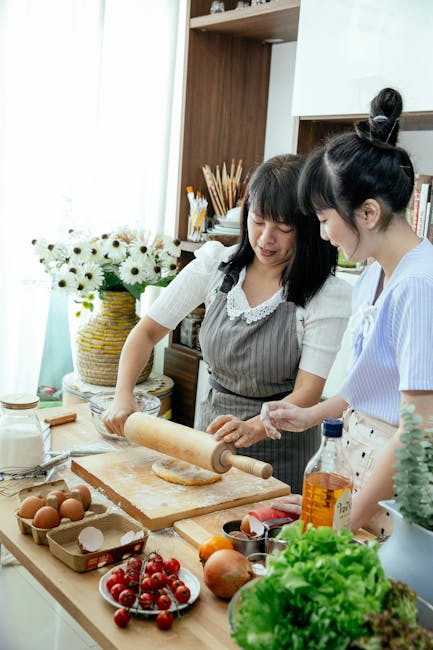
Section 1: Understanding the Allure of Meal Prep
The modern lifestyle, characterized by packed schedules and demanding commitments, often leaves little room for mindful eating. The temptation to grab fast food or order takeout looms large, jeopardizing health goals and budgets. Meal prepping, the practice of preparing meals in advance, emerges as a powerful antidote to this chaos. It’s not just a trend; it’s a strategic lifestyle choice that unlocks a multitude of benefits.
Section 1.1: Time Savings: Reclaiming Your Weekdays
One of the most compelling arguments for meal prepping is its ability to liberate valuable time. Instead of facing the daily dilemma of “what’s for dinner?” and spending precious evening hours cooking, you dedicate a block of time – typically on the weekend – to prepare meals for the week ahead. This frees up evenings for relaxation, hobbies, or spending time with loved ones. Consider this: a single grocery trip replaces multiple rushed store runs, and one focused cooking session replaces five or more separate cooking sessions. The cumulative time savings can be significant, translating to more personal time and reduced stress.
Section 1.2: Healthier Eating: Taking Control of Your Diet
Meal prepping empowers you to take complete control of your dietary intake. By planning your meals in advance, you can consciously choose healthy ingredients, control portion sizes, and avoid unhealthy additives often found in processed foods. This proactive approach promotes balanced nutrition and supports weight management or other health goals. You can meticulously select lean proteins, whole grains, and an abundance of fruits and vegetables, ensuring each meal is a nutritional powerhouse. Moreover, meal prepping eliminates impulsive, unhealthy food choices driven by hunger or convenience.
Section 1.3: Budget-Friendly Eating: Saving Money on Groceries
Contrary to the misconception that healthy eating is expensive, meal prepping can actually save you money. By creating a meal plan and shopping list, you avoid impulse purchases and reduce food waste. Buying ingredients in bulk and utilizing leftovers strategically further contributes to cost savings. Restaurant meals and takeout orders are significantly more expensive than home-cooked meals, and the frequency of these expenses adds up quickly. Meal prepping allows you to allocate your food budget more effectively, investing in nutritious ingredients and reducing unnecessary spending.
Section 2: The Building Blocks of Successful Meal Prep
Effective meal prepping requires a systematic approach. It’s not simply about cooking a large batch of food; it’s about planning, preparing, and storing your meals strategically. The following steps provide a framework for success.
Section 2.1: Planning is Paramount: The Meal Plan Blueprint
The cornerstone of any successful meal prep strategy is a well-defined meal plan. This plan should outline your meals for the week, taking into account your dietary needs, preferences, and schedule. Consider factors such as portion sizes, macronutrient balance, and variety to ensure a satisfying and nutritionally complete diet. Explore different recipe sources, such as cookbooks, websites, or meal planning apps, to find meals that align with your tastes and dietary requirements. The meal plan serves as a roadmap, guiding your grocery shopping and preparation process.
Section 2.2: Smart Grocery Shopping: The Ingredient Arsenal
Once you have a meal plan in place, create a detailed grocery list. This list should include all the ingredients you need for your meals, organized by category (e.g., produce, protein, grains). Stick to your list when shopping to avoid impulse purchases and stay within your budget. Prioritize fresh, whole foods, and opt for seasonal produce when available for optimal flavor and nutritional value. Consider buying ingredients in bulk when feasible to save money. Read labels carefully to avoid unhealthy additives and make informed choices about the foods you purchase.
Section 2.3: The Prep Process: Optimizing Cooking Efficiency
The preparation process involves cooking and portioning your meals for the week. Start by prepping ingredients, such as chopping vegetables, marinating meats, or cooking grains. This streamlined approach saves time during the actual cooking process. Cook multiple dishes simultaneously to maximize efficiency. Utilize appliances such as slow cookers, Instant Pots, or ovens to prepare large batches of food with minimal effort. Consider prepping components of meals separately, such as cooking grains and roasting vegetables, and assembling them later in the week. This allows for greater flexibility and variety.
Section 3: Mastering Meal Storage: Preserving Freshness and Flavor
Proper meal storage is crucial for maintaining the freshness and quality of your prepared meals. The right containers and storage techniques can prevent spoilage, preserve flavor, and ensure food safety.
Section 3.1: Container Choices: The Right Tools for the Job
Invest in high-quality, airtight containers for storing your meals. Glass containers are a durable and eco-friendly option, while plastic containers are lightweight and convenient. Choose containers that are appropriately sized for your portion sizes. Consider using containers with separate compartments to keep different components of your meals from mixing. Label each container with the contents and date of preparation to ensure proper rotation of food. Avoid overcrowding containers to allow for proper airflow and prevent food from becoming soggy.
Section 3.2: Refrigeration and Freezing: Extending Shelf Life
Store your prepared meals in the refrigerator or freezer, depending on when you plan to consume them. Refrigerated meals typically last for 3-4 days, while frozen meals can last for several months. Cool meals completely before refrigerating or freezing them to prevent condensation and maintain their quality. Utilize the FIFO (First In, First Out) principle, consuming older meals before newer ones. For frozen meals, consider using freezer bags or vacuum-sealed containers to prevent freezer burn. Thaw frozen meals in the refrigerator overnight before reheating.
Section 3.3: Reheating Techniques: Preserving Taste and Texture
Reheating your prepared meals properly is essential for maintaining their taste and texture. Microwave reheating is the quickest and most convenient option, but it can sometimes result in uneven heating. Stovetop reheating is a more even method, but it requires more time and attention. Oven reheating is ideal for larger portions or meals that benefit from crispy textures. Always ensure that your meals are heated to a safe internal temperature before consumption. Consider adding a small amount of liquid during reheating to prevent dryness.
Section 4: Meal Prep Recipes: Inspiration for Your Culinary Journey
To kickstart your meal prepping journey, here are some sample recipes that are easy to prepare, nutritious, and delicious.
Section 4.1: Breakfast Bliss: Overnight Oats Extravaganza
Overnight oats are a quick and easy breakfast option that can be prepared in advance. Combine rolled oats, milk (dairy or non-dairy), chia seeds, and your favorite toppings, such as fruits, nuts, or seeds. Refrigerate overnight, and enjoy a delicious and nutritious breakfast in the morning. This recipe is highly customizable and can be adapted to your preferences.
Section 4.2: Lunchtime Legends: Quinoa Salad Power Bowls
Quinoa salad power bowls are a versatile and healthy lunch option. Combine cooked quinoa with roasted vegetables, grilled chicken or chickpeas, and a flavorful dressing. Pack the components separately and assemble just before eating to prevent the salad from becoming soggy. This recipe is packed with protein, fiber, and essential nutrients.
Section 4.3: Dinner Delights: Sheet Pan Chicken and Veggies
Sheet pan chicken and veggies are a simple and satisfying dinner option. Toss chicken breasts or thighs with your favorite vegetables, such as broccoli, carrots, and bell peppers, and roast them on a sheet pan until cooked through. Season with herbs, spices, and a drizzle of olive oil. This recipe is easy to clean up and provides a balanced meal.
Section 5: Troubleshooting Common Meal Prep Challenges
Even with careful planning and preparation, you may encounter some challenges along your meal prepping journey. Here are some tips for troubleshooting common issues.
Section 5.1: Preventing Food from Becoming Soggy
To prevent food from becoming soggy, avoid packing wet ingredients directly on top of dry ingredients. Consider using separate containers for sauces or dressings and adding them just before eating. Avoid overcooking vegetables, as they will release moisture during storage. Line containers with paper towels to absorb excess moisture.
Section 5.2: Maintaining Flavor and Texture
To maintain flavor and texture, avoid overcooking foods during the initial preparation. Store meals in airtight containers to prevent them from drying out. Consider adding fresh herbs or spices just before reheating to enhance flavor. Avoid reheating meals repeatedly, as this can degrade their quality.
Section 5.3: Overcoming Boredom and Maintaining Variety
To overcome boredom and maintain variety, experiment with different recipes, ingredients, and cuisines. Rotate your meal plan regularly to avoid eating the same meals every week. Consider prepping different components of meals separately and mixing and matching them throughout the week. Embrace creativity and don’t be afraid to try new things.
By embracing meal prepping, you can transform your relationship with food and achieve your health and wellness goals. It’s a journey that requires planning, dedication, and a willingness to experiment, but the rewards are well worth the effort.